Why Grilled Food Tastes Better (and the Fascinating History of Charcoal)
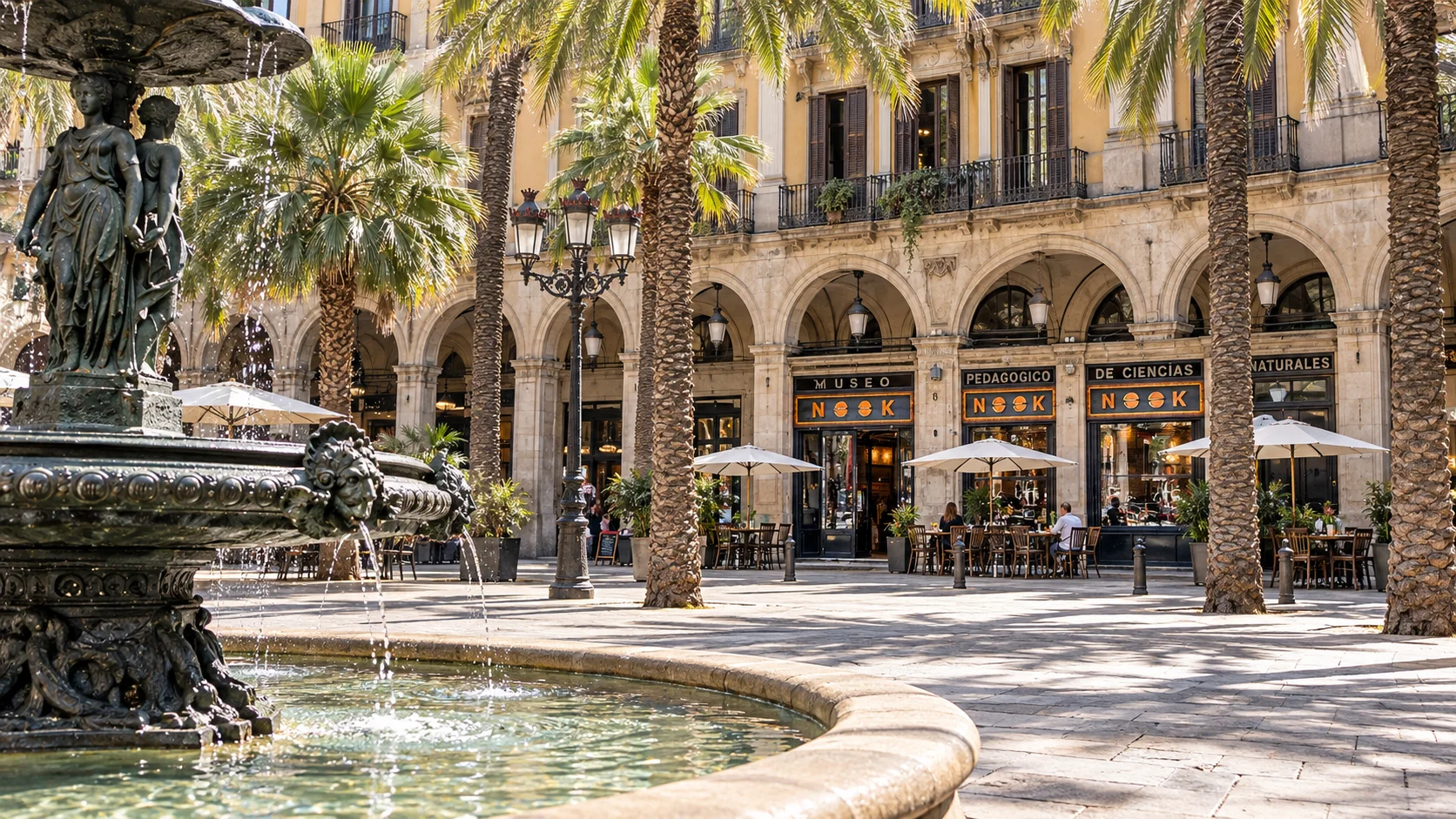
by Admin · Nook · Plaça Reial, Barcelona
There is something ancient and hypnotic about the crackle of open fire. The smoky aroma floating through the air before a dish hits the table creates an anticipation that no other cooking method can match. At Nook Restaurant, grilling over live embers is one of the foundational pillars of our culinary concept. However, the reason why a cut of meat or grilled vegetables taste so irresistible isn't just a matter of nostalgia: behind the fire lies thousands of years of human evolution and a fascinating chemical process.
Fire as the Engine of Evolution
Grilling food over live embers is humanity’s oldest culinary technique, but its implications reach far beyond mere gastronomy.
The Evolutionary Leap of Homo Erectus:
Anthropological research and archaeological discoveries reveal that the mastery of fire by early hominids (over a million years ago) radically transformed the species. When cooking meat and tubers, heat pre-digests proteins and breaks down complex starches. This allowed our ancestors to absorb up to 50% more energy while consuming a smaller volume of food and drastically reducing digestion time.
More Brain, Less Jaw:
Saving metabolic energy freed up biological resources that the human body invested in brain development. Simply put, charcoal and fire cooking was one of the primary drivers behind the evolution of our intelligence.
The Birth of Charcoal:
Grilling directly over green wood presented a problem, excessive bitter smoke and unstable flames that charred food on the outside while leaving it raw on the inside. To solve this, ancient civilizations mastered the art of pyrolysis burning wood slowly in underground pits with limited oxygen. This process removed water and resins, creating charcoal; a dense fuel capable of burning cleanly with intense heat and no direct flame.
The maillard reaction and the smoke profile
Why does boiled meat taste bland while grilled meat sets off an explosion of flavor on the palate? The answer lies in the physics and chemistry of high temperatures.
The maillard reaction
Discovered by French chemist Louis-Camille Maillard in 1912, this reaction occurs when amino acids (proteins) and reducing sugars in food are exposed to temperatures exceeding 140 °C.
-
Creation of New Aromas:
During this process, chemical bonds rearrange, creating hundreds of completely new aromatic compounds (pyrazines, furans, thiophenes) that did not exist in the raw ingredient.
- The Crispy Sear:
It is responsible for that succulent golden or charred crust that locks in internal juices and delivers a satisfying contrast between crispy and tender textures.
The perfume of infused fat
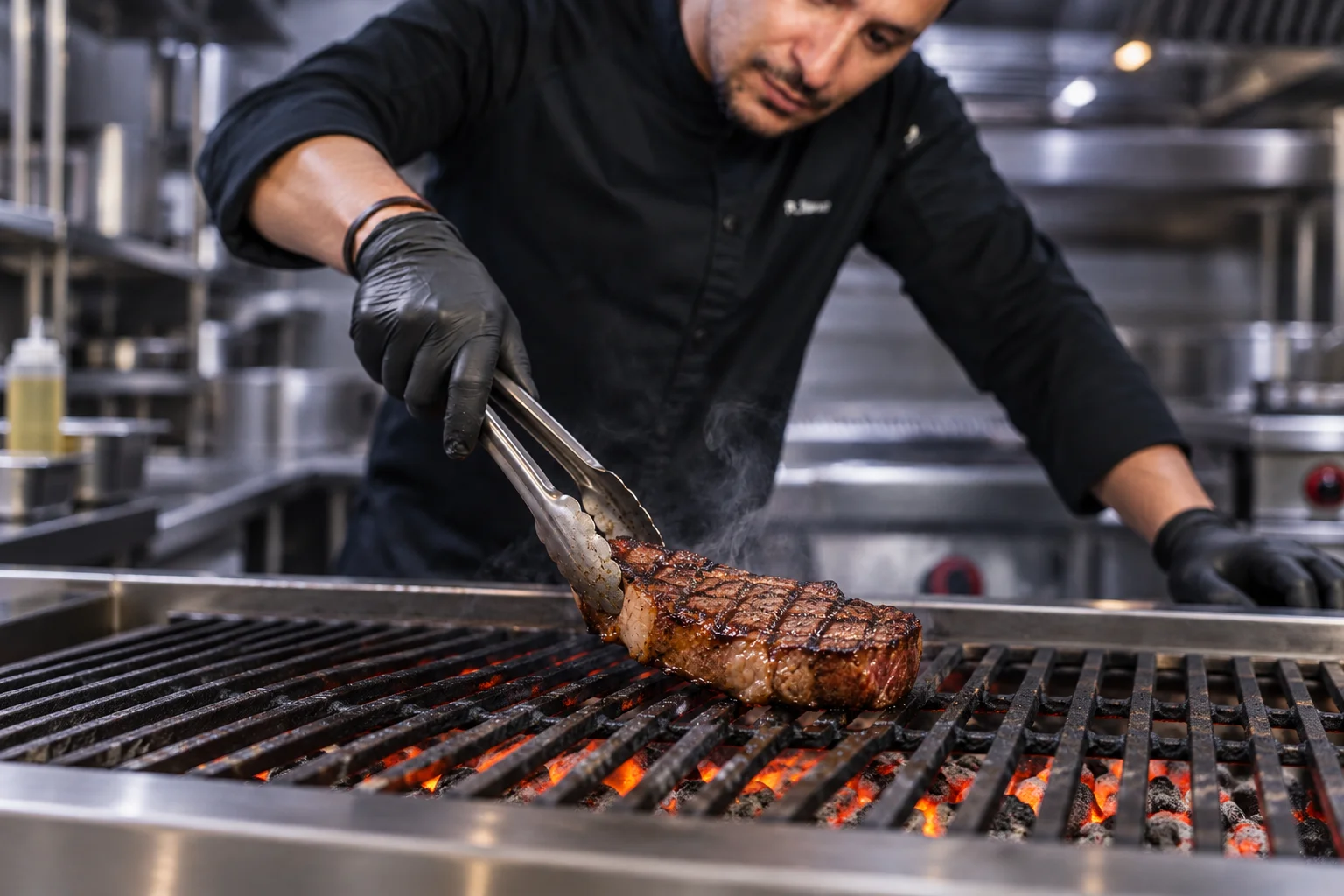
Unlike a convection oven or an electric griddle, live coals add an invisible yet decisive ingredient: fat pyrolysis. When meat juices and rendered fat drip directly onto red-hot charcoal (which often exceeds 300 °C–400 °C), they vaporize instantly. This vaporization generates smoke microparticles packed with guaiacol and syringol organic compounds responsible for sweet, woody, smoky aromas that rise back up and infuse the surface of the meat.
Passion for the Grill at Nook Restaurant
At Nook, we elevate this ancient ritual through precise temperature control and high quality charcoal selection. We don't aim to mask food with smoke; rather, we harness heat to amplify its natural flavor.
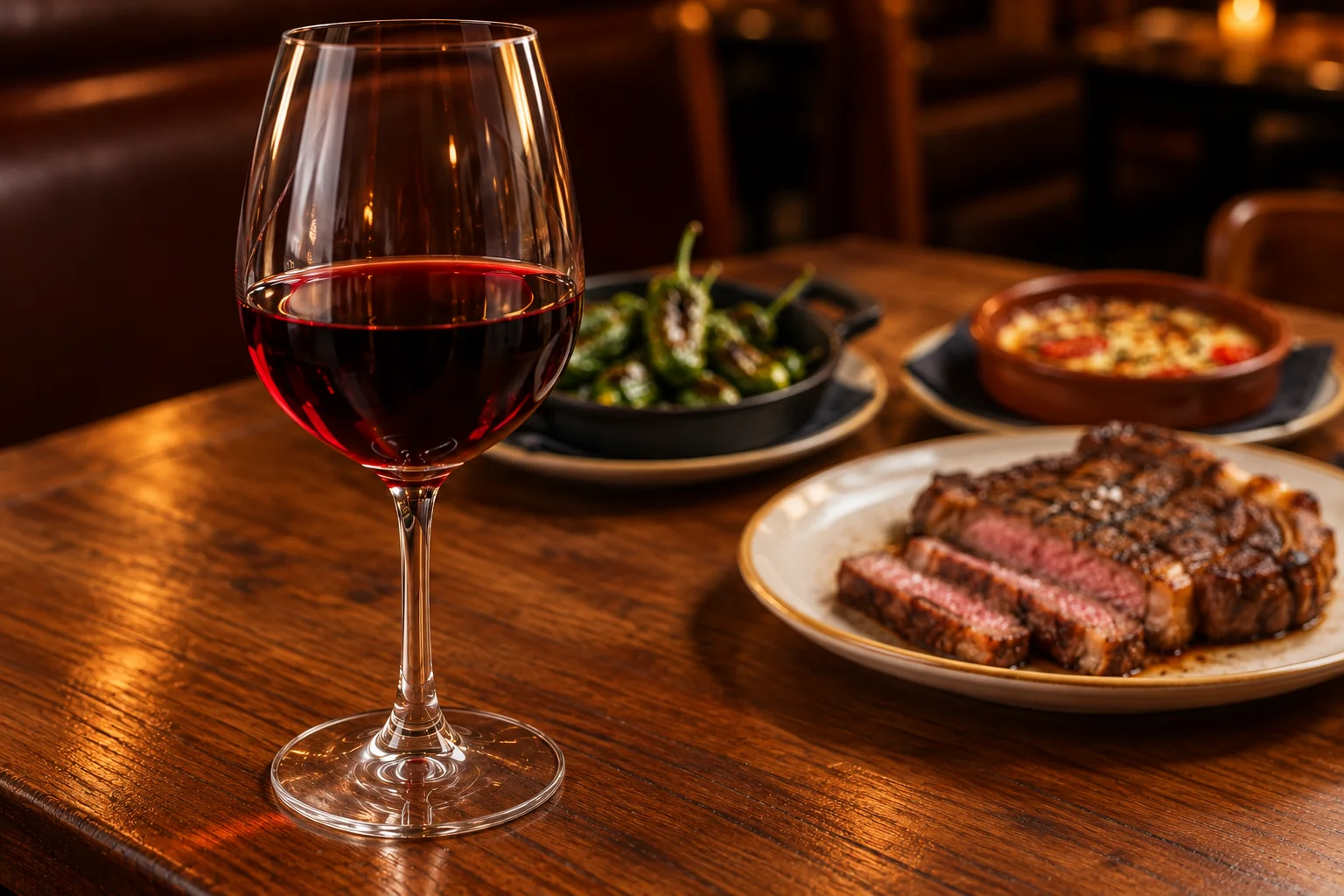
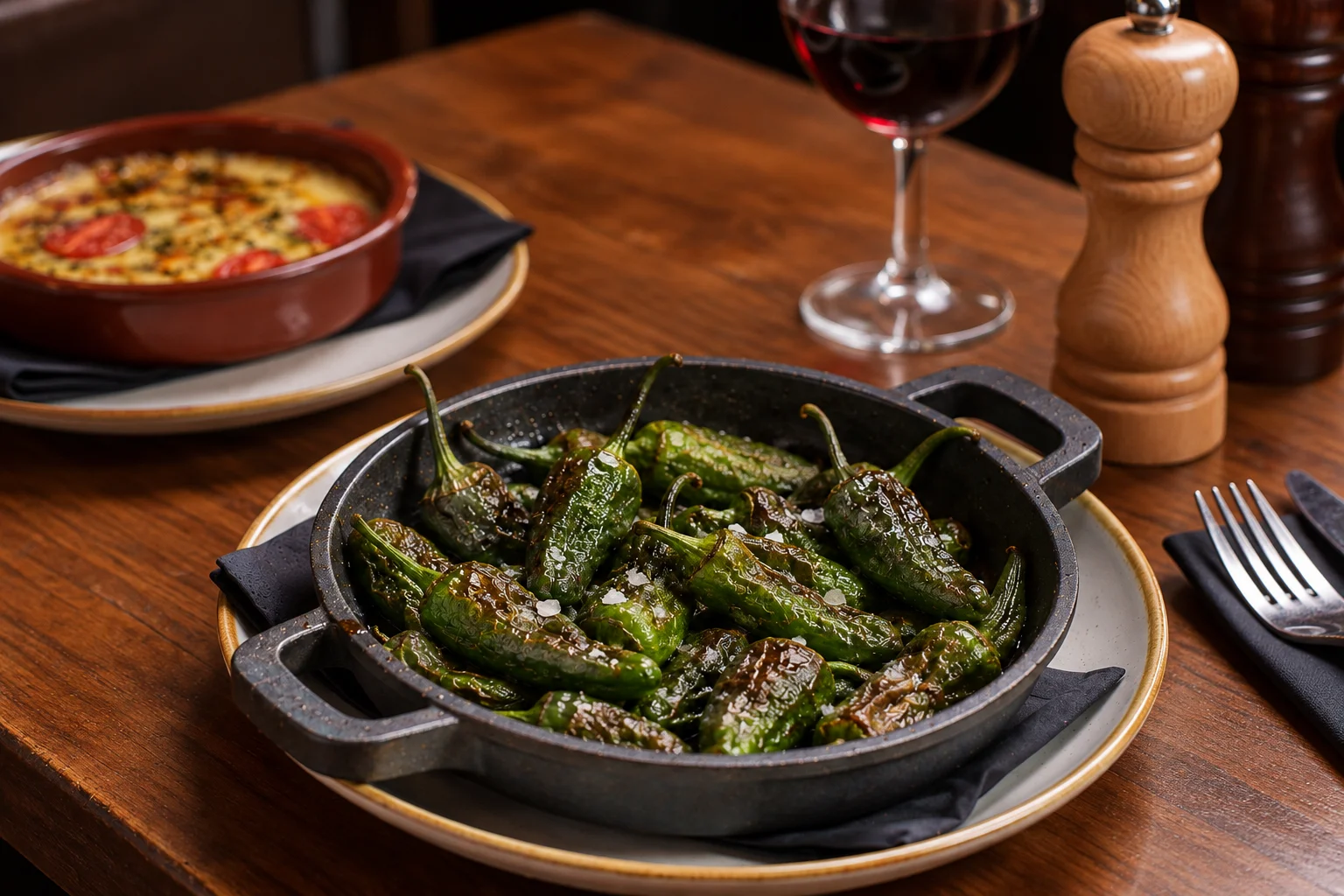
From premium cuts of meat to handcrafted patties for our gourmet burgers and seasonal vegetables, cooking over open fire adds an unforgettable depth of flavor. Enjoying a grilled dish on our terrace means, ultimately, taking part in a culinary tradition that has been perfected for over a million years.