The Architecture of Appetite: Why the Plaza Real and the Historical Surroundings Change the Flavor of What You Eat
by Admin · Nook · Plaça Reial, Barcelona
Eating is not merely a nutritional or isolated act; it is a process where the brain processes contextual stimuli to build the perception of flavor. Environmental neurogastronomy studies how lighting, ceiling height, the history of the surroundings, and the acoustic environment directly modify the dining experience.
The experience of eating goes far beyond the chemistry on the taste buds. Various studies in spatial neurogastronomy and multisensory perception (led by laboratories such as the Crossmodal Research Laboratory at the University of Oxford) demonstrate that the brain does not evaluate flavor in isolation; the environmental context, light, ceiling height, and the history of a space directly alter the organoleptic perception.
Spatial Neurogastronomy: The Environment Modifies the Palate
1. Lighting, Circadian Rhythm, and Flavor Perception
Natural light filtered through arches and porticos, or warm lighting at sunset (around 2700K to 3000K), stimulates the release of serotonin and melatonin in the central nervous system. This physical and cognitive modulation reduces stress and decreases the diner's rush. Biologically, a more leisurely intake increases the contact time of aromatic molecules with the taste and retronasal receptors, sharpening sensitivity to complex notes, sweet nuances, and the umami flavor.
2. Neoclassical Architecture and Cultural Heritage
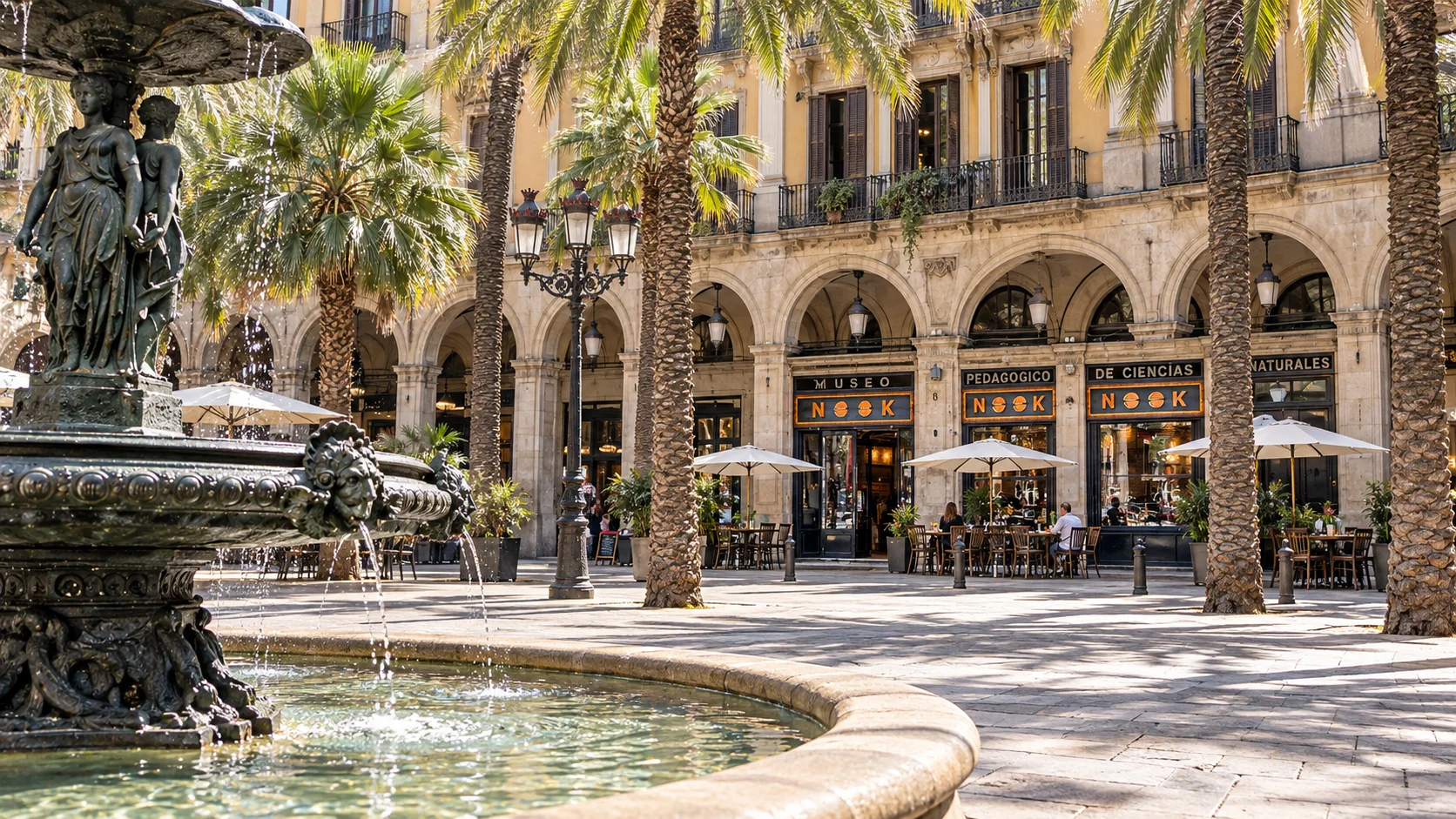
The Plaza Real, designed by architect Francesc Daniel Molina in the mid-19th century and inspired by the typology of French porticoed squares, also has a unique heritage value, the iconic six-armed streetlights commissioned to a young Antoni Gaudí in 1879, topped with the helmet of Mercury and two entwined snakes.
Eating surrounded by this historical heritage and under the symmetry of its arcades activates brain areas associated with cultural memory and aesthetic appreciation. This visual well-being generates an ambient halo effect, predisposing the brain to rate the quality of the ingredients more highly and increasing the overall satisfaction of the dish.
Barcelona: The Historic Center as a Culinary Stage
The historic center of Barcelona (Ciutat Vella) acts as a social and sensory catalyst. The blend of the Mediterranean sea breeze, the muffled echo under the neoclassical arches, and the palm tree vegetation of the square creates an atmosphere of urban disconnection. This environment invites relaxed conversation and shared enjoyment, turning the table into a memorable experience.
The Experience at NOOK
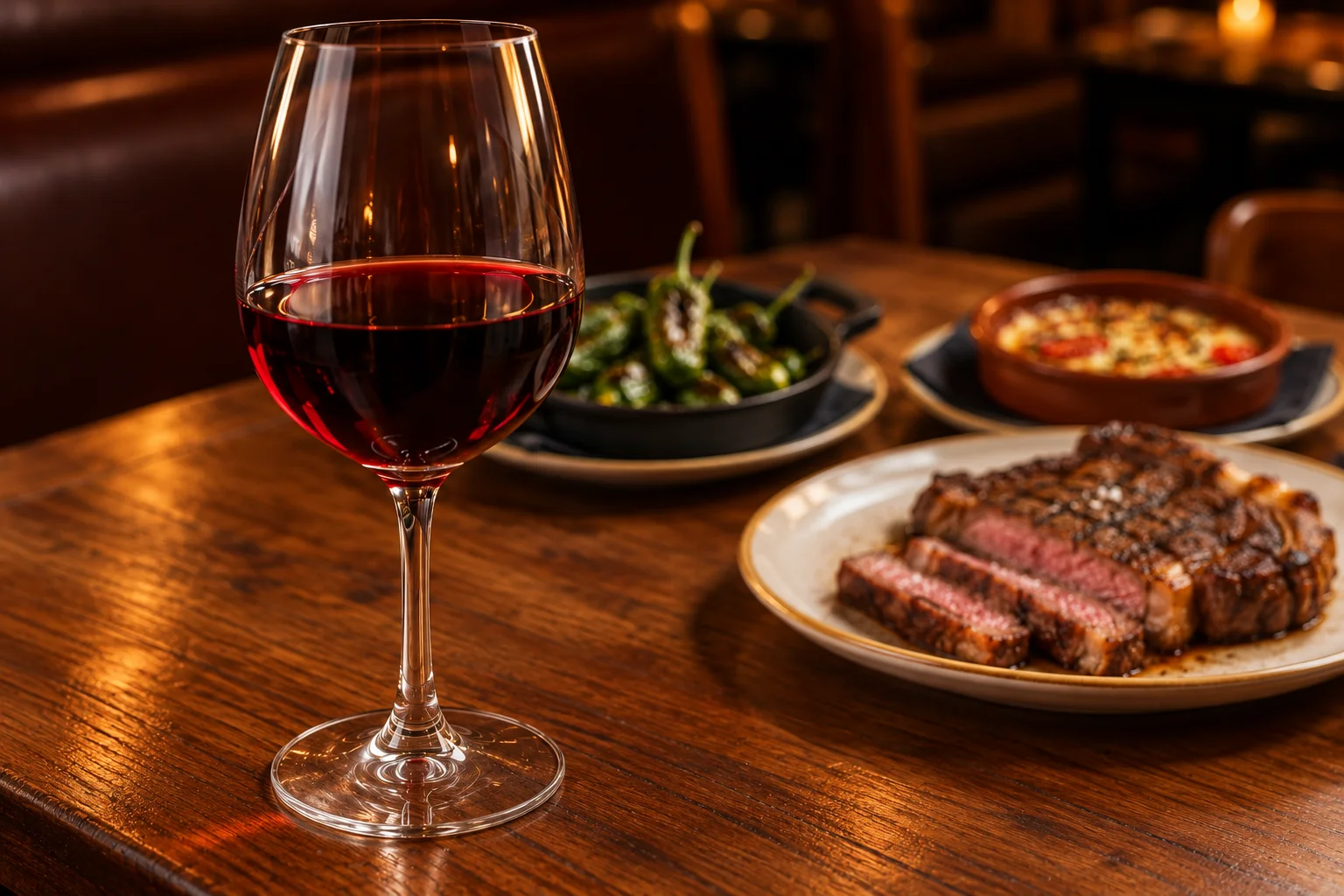
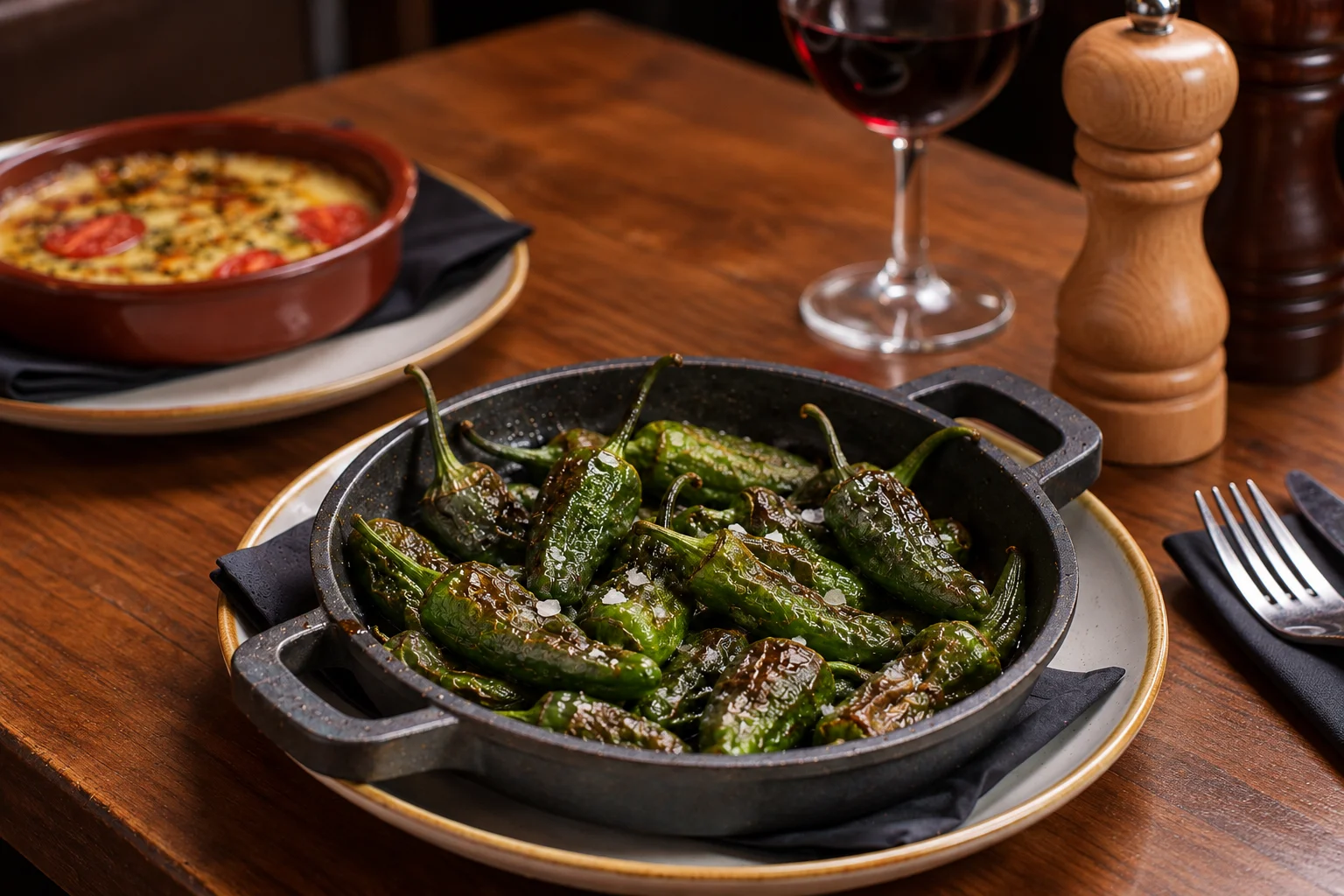
Located in the Plaza Real, NOOK integrates this architecture of appetite directly into its culinary proposal. Whether enjoying on its terrace open to the pulse of the square or in the warmth of its interior space, the historical atmosphere of the surroundings acts as an invisible pairing for its selection of Mediterranean tapas and charcoal-grilled meats.
Reserve your table at NOOK and experience where the historical architecture of Barcelona enhances every dish.