Tapas before the tapas: how the custom of eating small portions was born
by Admin · Nook · Plaça Reial, Barcelona
In gastronomy, the everyday often hides fascinating origins. The Spanish custom of eating small portions, what we globally know as "tapeo," did not originate in cookbooks or avant-garde restaurants, but on the roads, in roadside taverns, and from the practical needs of daily life.
A story that begins long before the table
Although there are multiple popular explanations about the origin of the word "tapa," it is essential to differentiate between historical hypotheses and popular myths:
-
Popular myths: One of the most widespread stories places the origin with King Alfonso XIII (or Alfonso X "The Wise"), who, when ordering a glass of wine in a tavern in Cádiz, received the glass covered with a slice of ham or cheese to prevent sand or flies from getting in.
-
Documented historical facts: The practice of accompanying drinks with small solid bites responds to a medical and health regulation need common in the Iberian Peninsula since the 16th and 17th centuries. In the Castilian and Andalusian inns and taverns, travelers were served a small portion of salted fish, cured meat, or cheese to moderate the effects of high-proof alcohol during their journeys.
The term "tapa" as a synonym for appetizer was not formally established in the Dictionary of the Royal Spanish Academy until the 1936 edition, reflecting how a century-old popular custom took time to be officialized in academic culture.
The fact that changes the way we look at gastronomy
Eating while tapeando radically transforms the psychology of food. Research on neurogastronomy and multisensory perception reveals that the format of varied portions constantly stimulates the brain's reward system.
-
Variety and sensory satiety: Alternating textures (crunchy, soft), temperatures (hot, cold), and flavors (sour, umami, salty) prevents the effect of "specific sensory satiety," keeping the diner's interest throughout the meal.
-
Sociological dimension: Eating in small shared portions removes the individualistic barrier of the single plate. It promotes a horizontal, informal, and communicative table dynamic, a central element of Mediterranean culture.
Tradition, technique, and contemporary experience in Barcelona
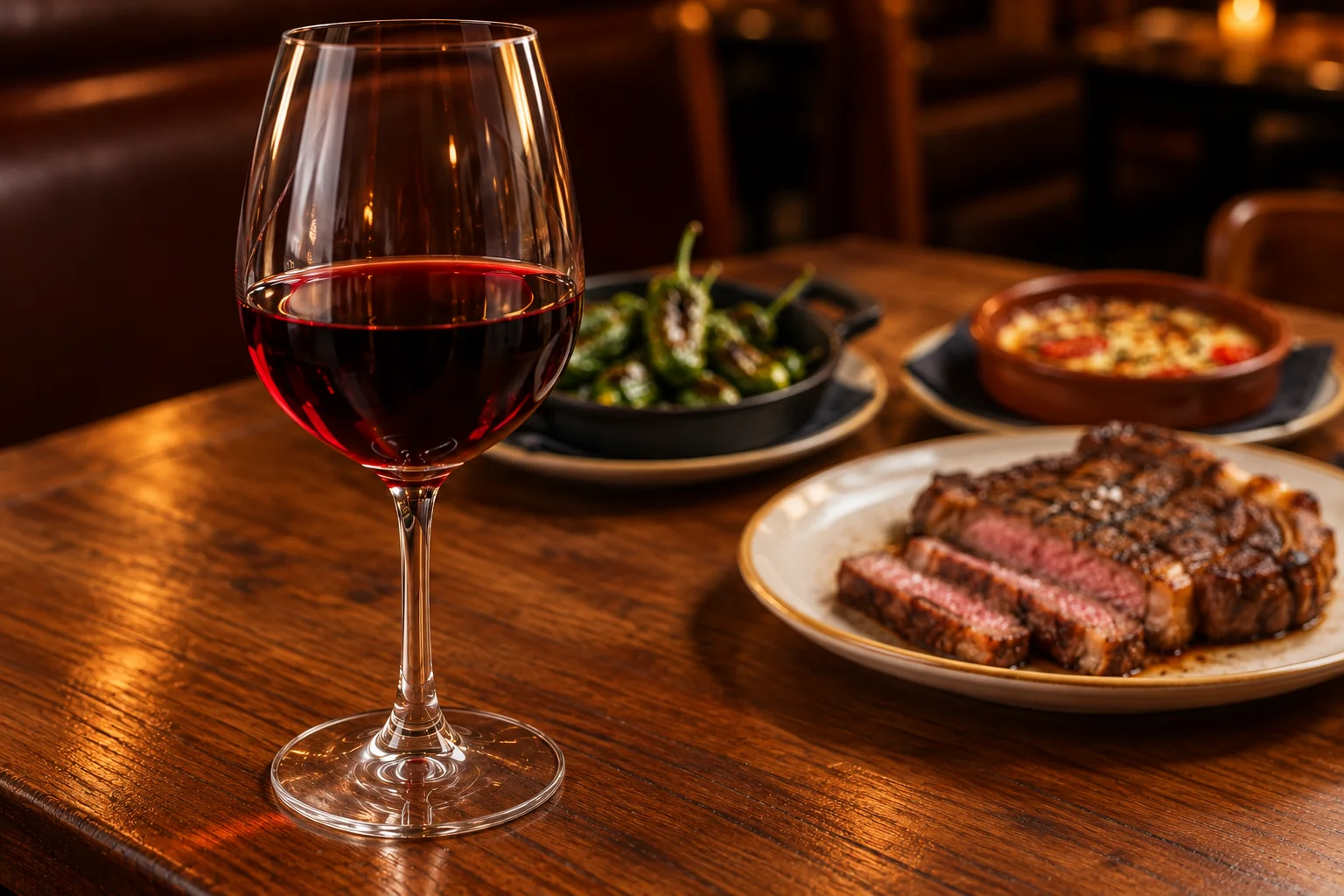
In a strategic location like Plaza Real, the restaurant NOOK reinterprets the classic concept of the tapa from a modern perspective. The proposal does not seek to duplicate 19th-century taverns but to evolve the custom with contemporary grilling techniques and a careful selection of local ingredients.
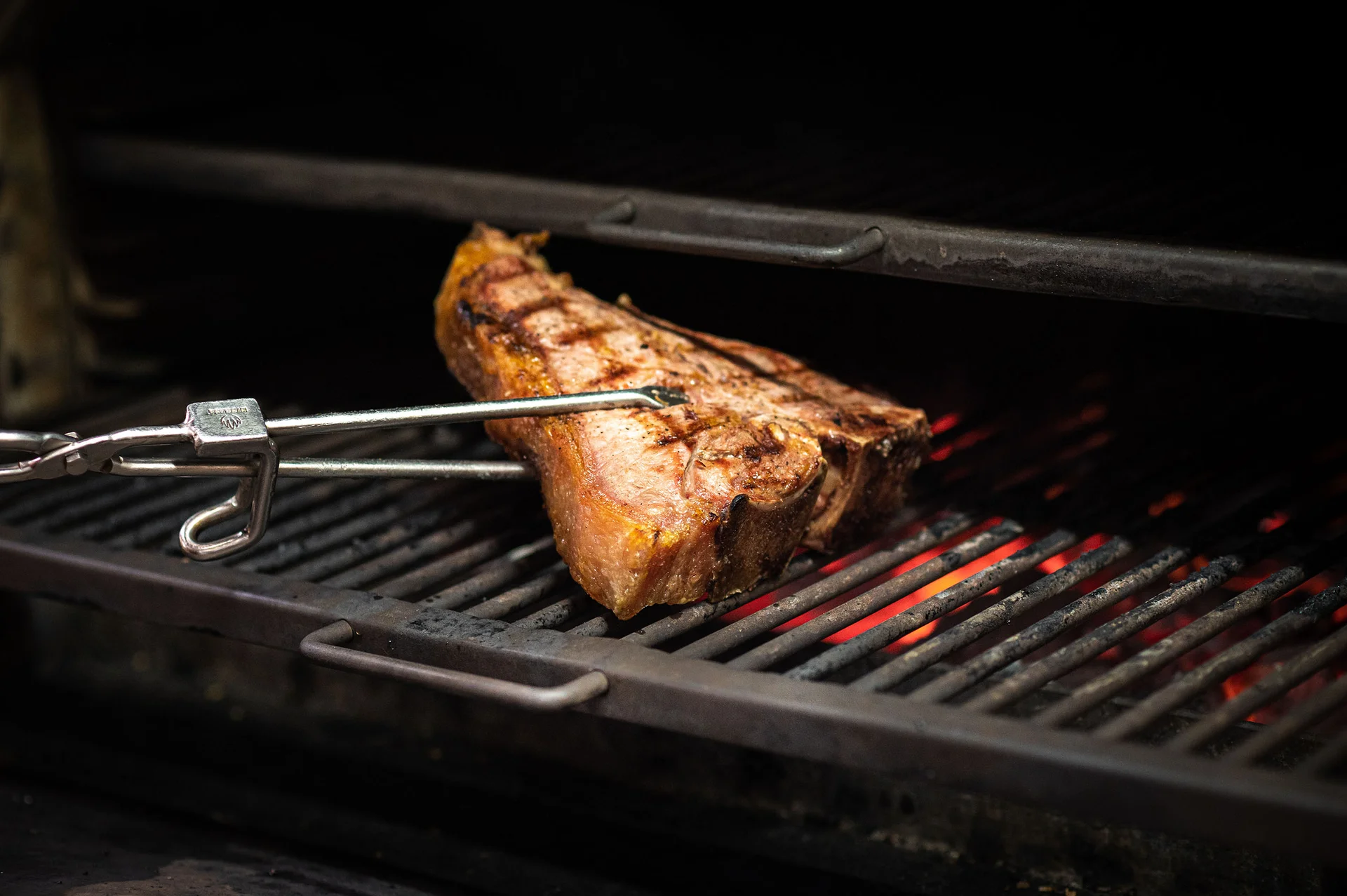
Tapeando at NOOK combines the freshness of the Mediterranean market with the unmistakable aroma of charcoal.
-
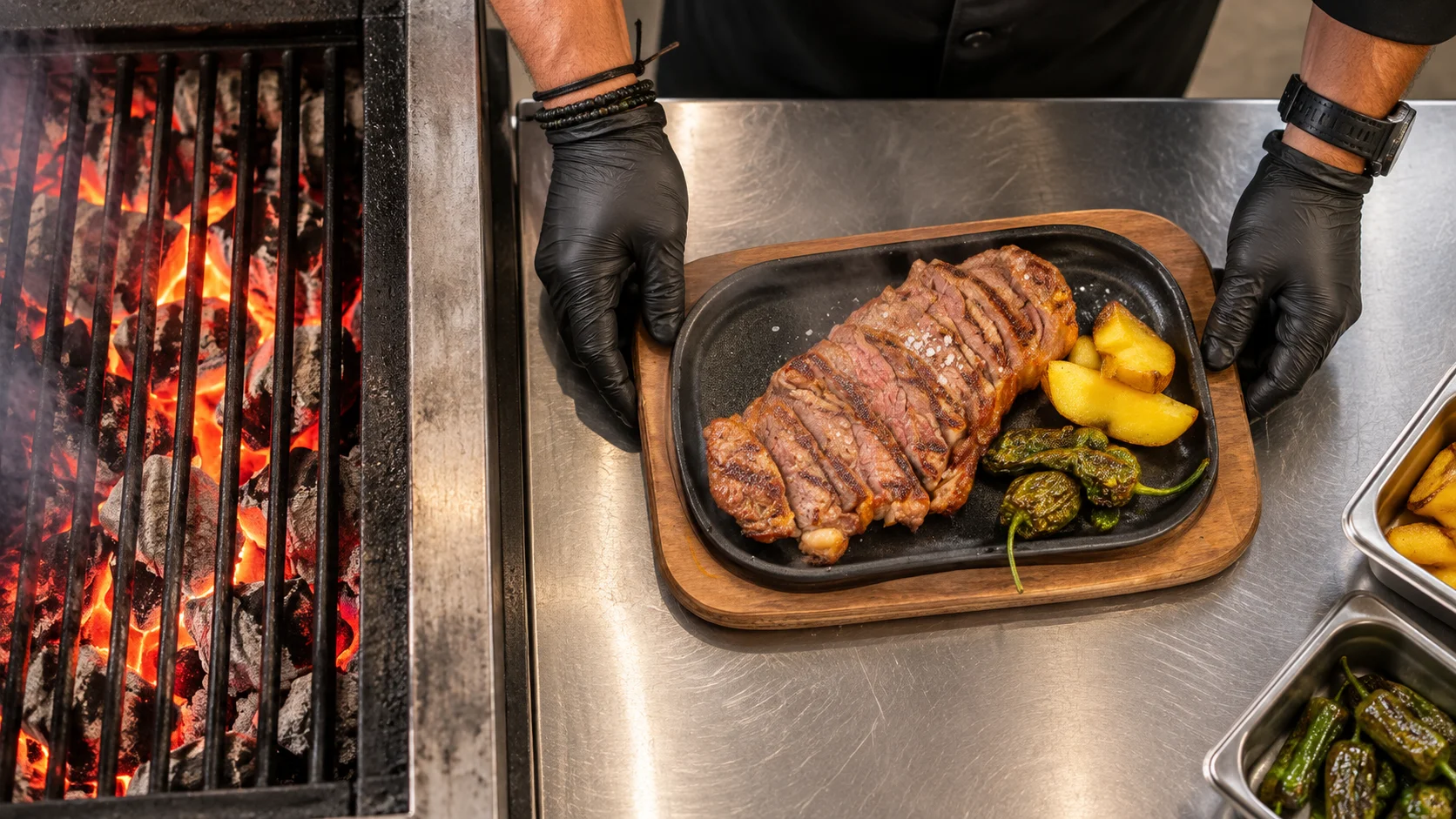
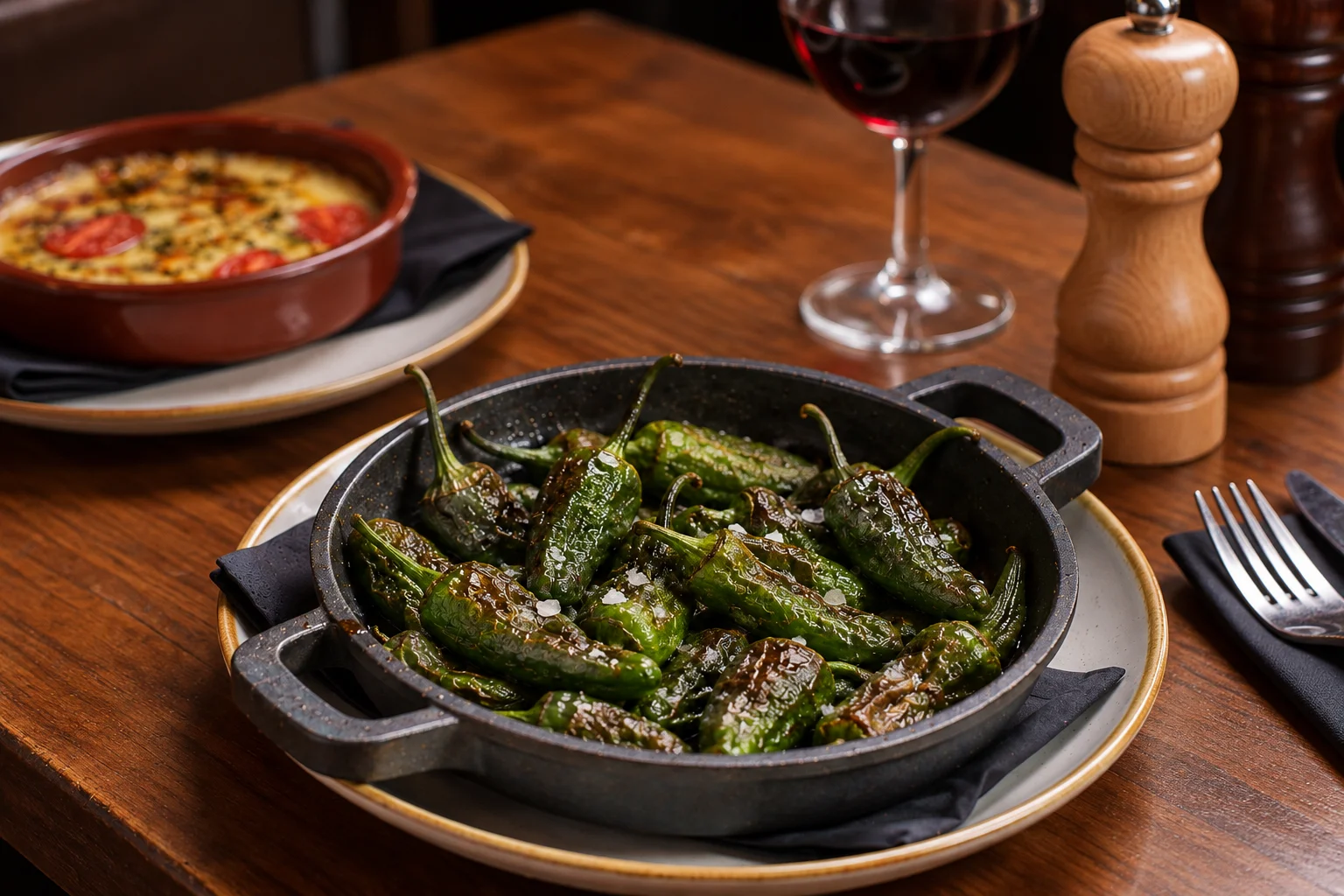
Grilled tapas and local ingredients: From seasonal vegetables grilled to small portions of selected seafood and meats.
-
A space to share: The tables and atmosphere of the venue are designed to capture the true essence of tapeo: fluid conversation and the collective discovery of flavors.
What we can learn from this story
-
Functional evolution: What began as a practical remedy to accompany wine became one of the internationally recognized gastronomic identities of Spain.
-
Social identity: Tapas survived because they fulfill an irreplaceable social function, energizing human encounters around the table.
One more reason to enjoy without haste
If you're looking for a corner in the historic center of Barcelona where the traditional concept of tapa combines with grilled cuisine and a cozy atmosphere, NOOK offers the perfect excuse to stop the clock.
Reserve your table at NOOK and rediscover the art of sharing in the heart of Barcelona.
Sources
- https://www.spain.info/en/
- https://www.barcelona.cat/
- https://ich.unesco.org/en/RL/mediterranean-diet-00884